
Discover why functional, science-backed ingredients and faster commercialization are defining the future of private label wellness and retail innovation.
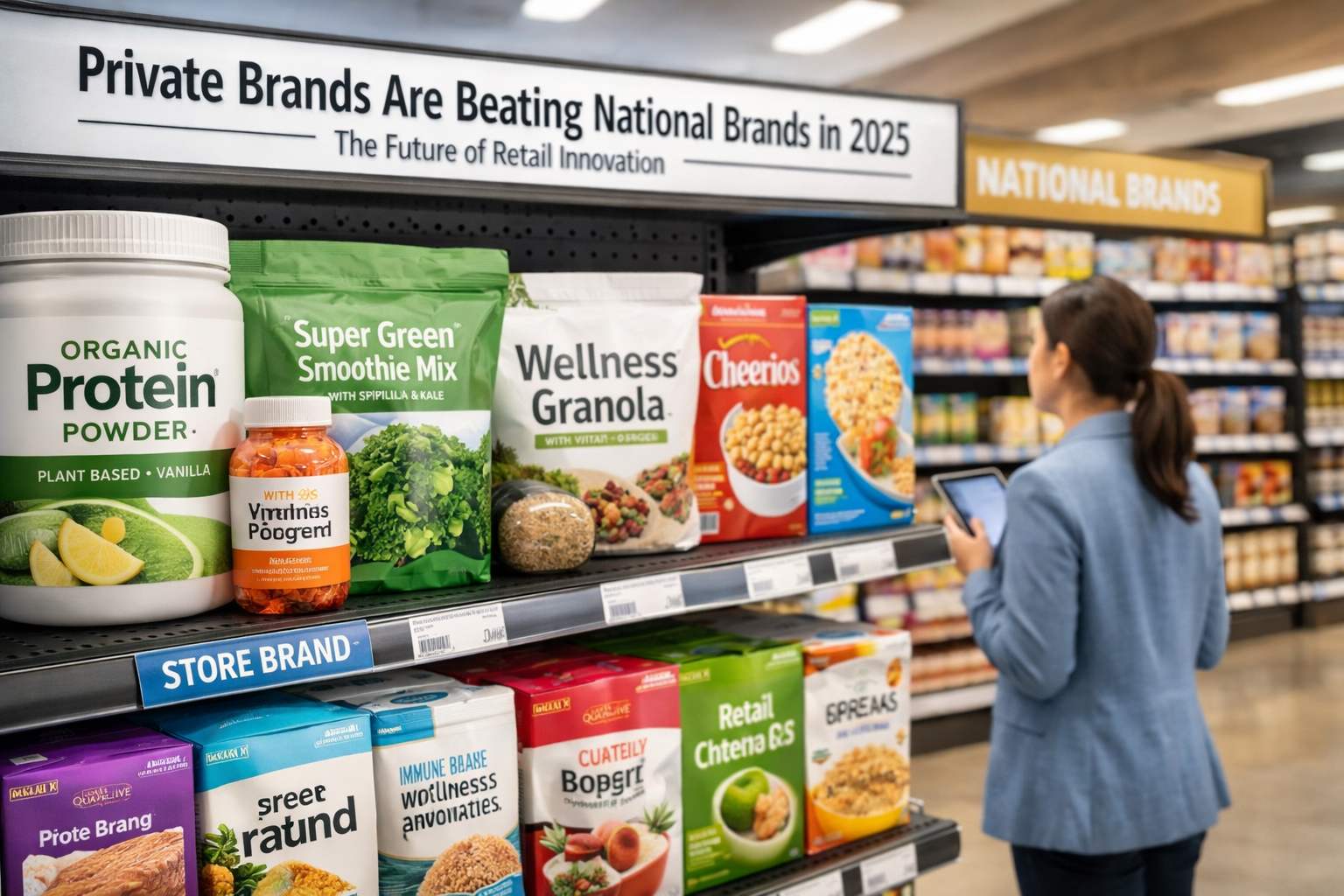
Private brands are outperforming national brands in 2025 as retailers lead with faster innovation, science-backed products, and reduced risk strategies.

How Step Change Is Helping Brands Launch What’s Next As we move into 2026, the wellness landscape is entering a new phase, one defined less by buzzwords and more by proof, performance, and speed to shelf. “Clean” and “natural” are no longer differentiators. What matters now is functionality consumers can feel, credibility retailers can stand behind, and innovation models that actually scale. At Step Change Innovations , we spend every day at the intersection of science, retail, and product development. Here’s what we see coming in 2026, and what brands, ingredient partners, and retailers should be preparing for now.

They trust us. To fill their plates. To choose what goes into their bodies before they’re old enough to read a label. To build the world they’ll inherit — one ingredient, one product, one decision at a time. That simple truth is what inspired our short film, “The Choice, We Leave Them.” It’s a reminder that every formulation, every label, every shortcut or improvement carries a weight far beyond today’s margins.

AI is changing how people discover wellness products, brands, and ingredients. Across every category, the new frontier of visibility is not built on backlinks or keywords. It is built on credibility. And that shift is happening faster than most teams realize.

Private label is no longer imitation—it’s innovation. Learn how retailers are unlocking 50%+ margins and leading the next wellness wave.
Speed, proof, and science. Those were the biggest themes in buyer conversations at this year’s ECRM. In today’s functional wellness market, retailers aren’t waiting years for new products to trickle down from CPG giants. They want clinically backed products on shelf in months, not years. Joe Bradley, founder and CEO of Step Change Innovations, has spent his career betting on exactly that shift. From being laughed out of early probiotic meetings to helping pioneer functional foods across grocery, he’s now leading the charge to put private label at the center of wellness innovation.
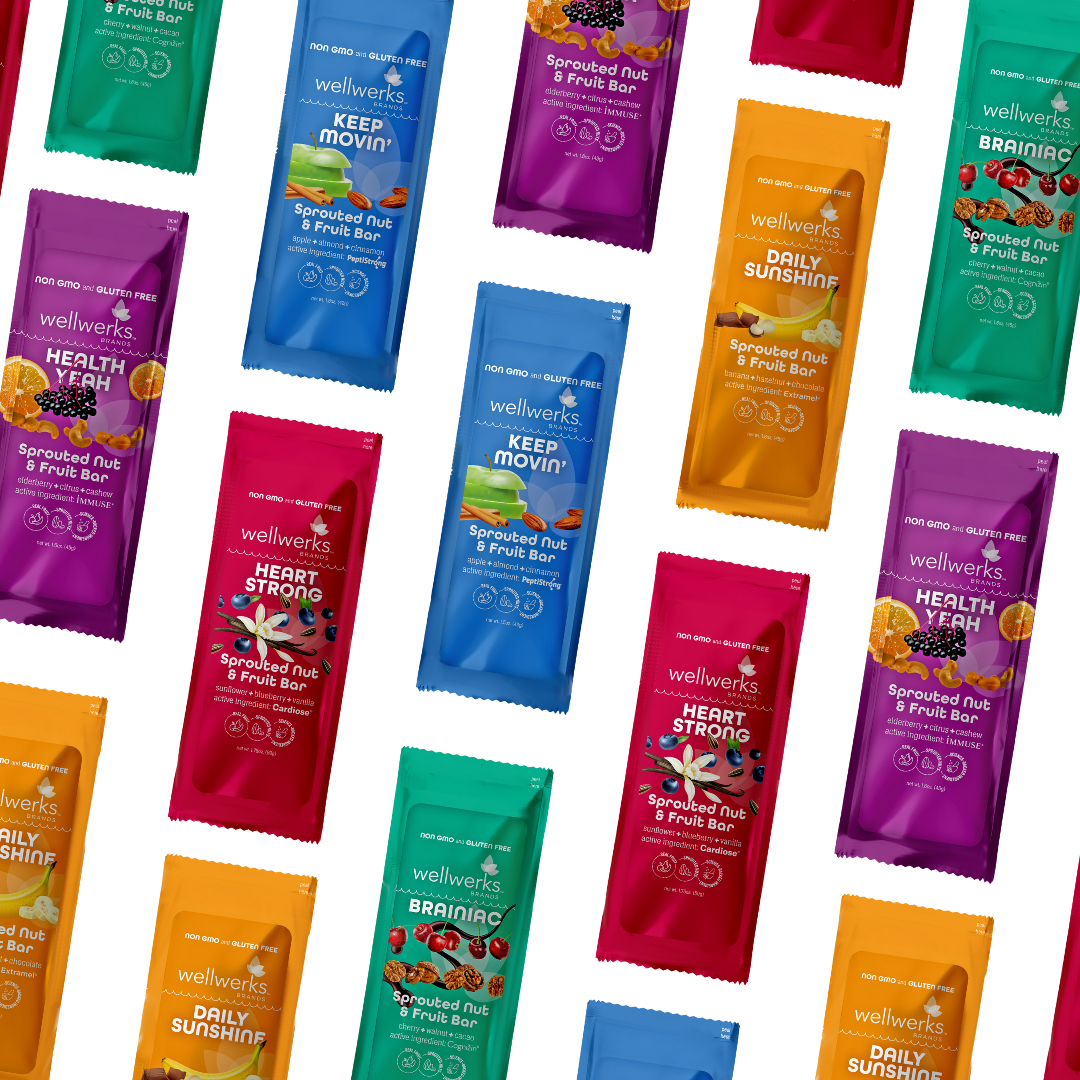
Wellwerks Snack Bar wins 2025 Store Brands Editors’ Pick, showcasing science-backed private label innovation.
Step Change’s Chris Foltz shares insights on private label growth, wellness-driven innovation, and retail strategies in a new Building Fortunes Radio interview.
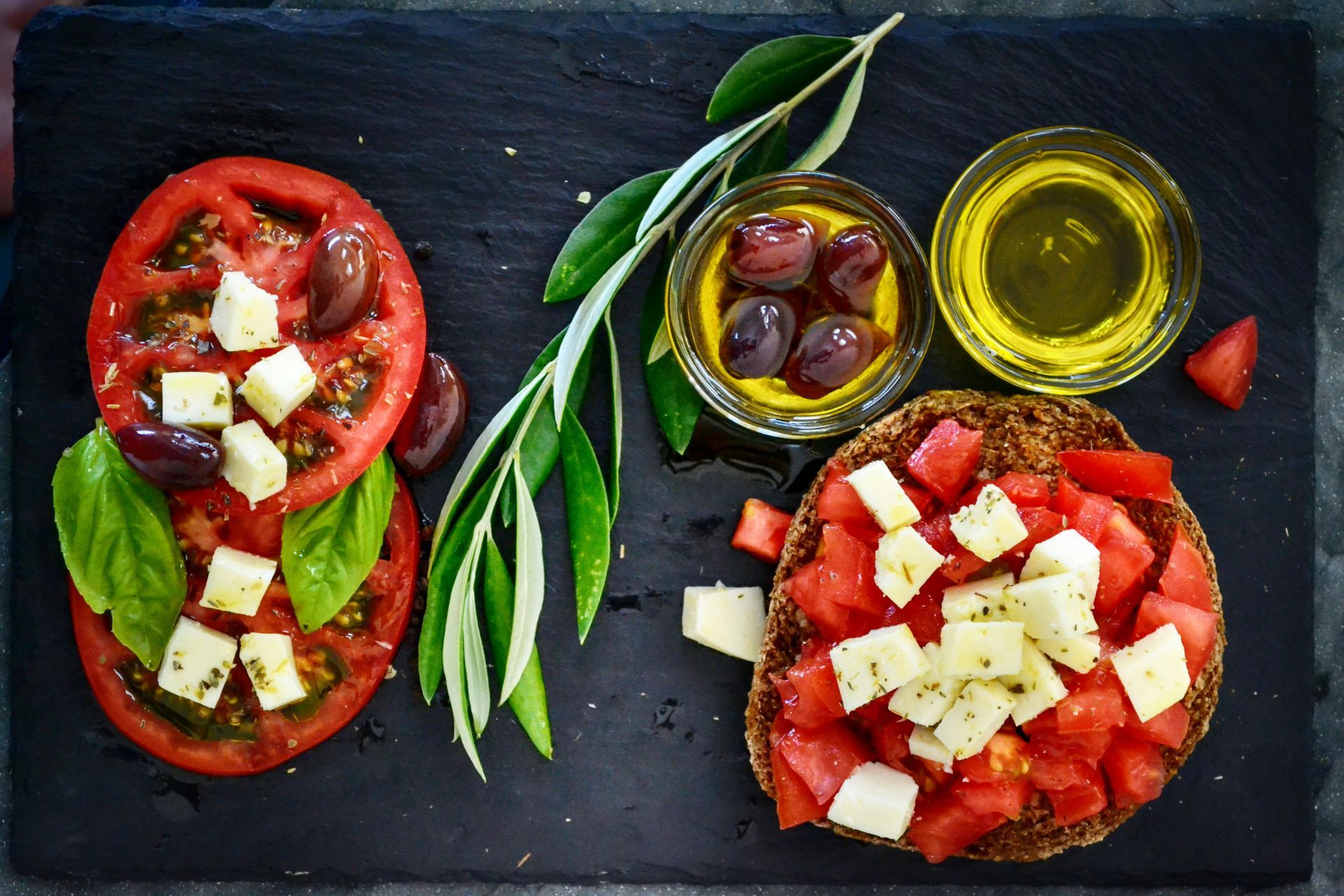
Explore 2025 IFT FIRST highlights: protein innovation, upcycled ingredients, and the evolving intersection of functional foods and supplements.